
The Basics of Layering for Outdoor Activities
Any seasoned outdoor enthusiast understands that the key to comfort lies in layering. It’s not just about piling on the clothes; it’s about strategic combinations that offer versatility, adaptability, and protection. A well-conceived layering system entails a moisture-wicking base layer, an insulating mid-layer, and a weatherproof outer layer. These layers work together synergistically to regulate body temperature, manage sweat, and shield against the elements.
Understanding Material Benefits: Breathable vs. Insulating Fabrics
Layering is as much about material choice as it is about the sequence of layers. For the base layer, fabrics like polyester, nylon, and merino wool are sought after for their moisture-wicking properties, efficiently transporting sweat away from the body to keep the skin dry and prevent chafing or cooling. Regarding insulation, materials such as fleece and down come into play. Fleece is lauded for its lightweight, breathable properties, making it ideal for active pursuits, while down provides substantial warmth with minimal bulk, perfect for less strenuous activities in cold conditions. The correct material can distinguish between a refreshing experience and a miserable one. Enthusiasts looking to upgrade their outdoor wardrobe with versatile options may click here to find a variety of layering essentials that will suit their needs. The key is selecting functional pieces that allow easy adjustments as conditions change.
How to Choose the Right Base Layer
Comfort starts right against your skin with the base layer. This foundational garment plays a dual role: regulating body temperature and managing moisture. Opting for synthetic fabrics or premium merino wool is best, as these materials transport moisture to the outer layers, keeping you dry and comfortable. A well-fitting base layer should provide a comfortable stretch and accommodate movement without bunching, allowing a seamless transition from one activity to the next.
The Importance of a Good Mid-Layer
The insulation battle is won with a capable mid-layer, typically a fleece, down, or synthetic-filled jacket or vest. The mid-layer is critical—it traps body heat to provide warmth, but it won’t cause overheating if chosen correctly. Fleece is favored for high-energy activities due to its lightweight composition and moisture-wicking capabilities, while down, known for its compressibility and warmth-to-weight excellence, is a boon for colder, static activities. What’s often overlooked is the fit—too tight, which will compress the insulation, hindering its effectiveness; too loose, and you’ll be hauling unnecessary bulk. The goal is to find a balance that allows for a full range of motion without sacrificing warmth.
Deciding on the Appropriate Outer Layer
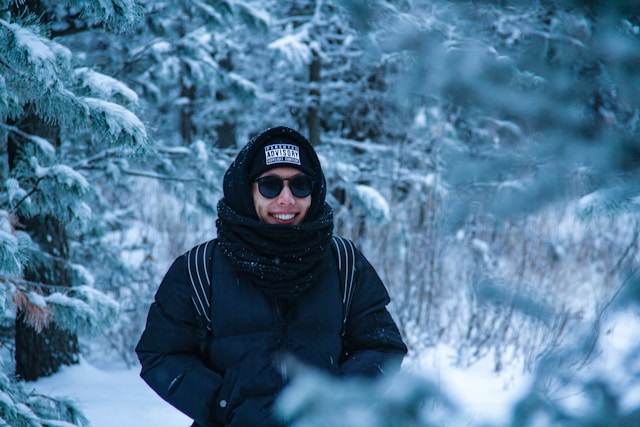
The outer layer is your defense against the whims of weather. Materials revolutionized by waterproof-breathable technologies are a barrier against rain, snow, and wind while allowing perspiration to escape. Ventilation, thoughtfully integrated by features such as underarm zippers, can increase breathability, assisting in regulating body heat during intense physical exertion. This layer must be roomy enough to accommodate underlying garments but should maintain a sleek profile to avoid snagging and excess material flapping.
Accessorize Wisely: Hats, Gloves, and Socks
While primary layers cover the torso and limbs, accessories like hats, gloves, and socks perform essential roles in any comprehensive layering system. A lot of body heat escapes the head, making a warm hat more than a simple accessory. Gloves should offer dexterity without compromising insulation, and socks with moisture-wicking properties are crucial for keeping feet dry and warm. Quality materials and construction in these accessories can drastically improve your layering strategy’s overall comfort and effectiveness.
Adapting Your Layers for Changing Weather Conditions
The unpredictability of outdoor spaces necessitates an adaptable approach to layering. Swinging temperatures, unforeseen precipitation, and varying levels of physical exertion all demand a quick and easy response—that’s the secret to maintaining comfort. Versatility in your gear allows for rapid deployment and stowage of layers as you tune into the rhythm of your environment. Light, packable items that provide significant warmth or protection with minimal bulk are invaluable for such an approach.
Layering Tips for Different Outdoor Activities
It’s essential to consider the specific demands of each outdoor activity when planning your layers. Layering for a fast-paced trail run will differ vastly from bundling up for a serene day of ice fishing. Quick-dry, breathable fabrics are critical for activities that ramp up your heart rate, ensuring sweat doesn’t stay on your skin and cool you down. Conversely, a more substantial insulating layer may be necessary when your activity involves prolonged periods of low exertion in cold environments. Considering these factors allows you to customize a layering system that responds well to the activity.
Packing Smart: Layering for Multi-Day Trips
On multi-day adventures, where weight and space are at a premium, smart packing becomes an art form. Selecting layers that perform multiple functions and complement each other means you can carry less while being prepared for more. For instance, a lightweight down jacket can double as a cozy pillow, or a Merino wool shirt can be just as comfortable for a night’s sleep as a day on the trail. The efficiency of a well-thought-out packing list cannot be overstated.
Caring for Your Outdoor Clothing Layers
Proper care is crucial to ensuring your layering pieces maintain their optimal performance. Frequent laundering in harsh detergents can degrade the fabric and affect moisture-wicking or waterproofing properties. Follow the care instructions tag on your garments, repairing any accidental tears or holes as they occur. Properly cared-for gear performs better and extends its usability, making it a reliable companion for your next exploration.


 Danny Williams