
Key Takeaways
- Safari trips offer unparalleled opportunities to experience wildlife in their natural habitats.
- Preparation and respect for local guidelines enhance the overall adventure.
- Understanding animal behavior can increase safety and enjoyment during safaris.
Table of Contents
- Introduction to Wildlife Safaris
- Planning Your Safari: Key Considerations
- Essential Safari Gear: What to Pack
- Understanding Animal Behavior on Safari
- Staying Safe During Your Adventure
- Best Practices for Sustainable Travel
- Capturing the Moment: Photography Tips
- Conclusion
Introduction to Wildlife Safaris
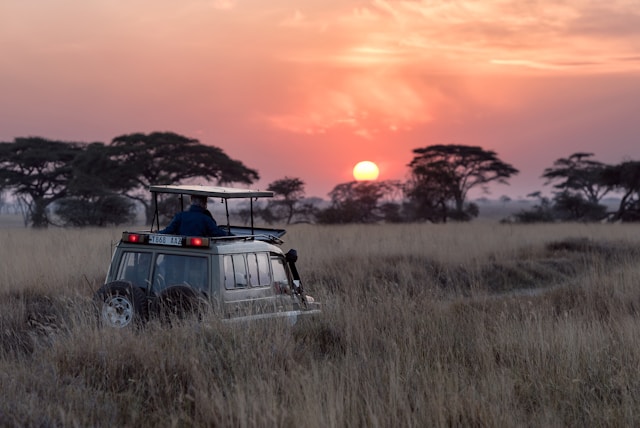
Wildlife safaris open a portal to the incredible wilderness, offering an escape into nature’s grandeur. These adventures allow travelers to witness firsthand the breathtaking scenery and the diverse wildlife that inhabit these ecosystems. Each trip into the wild is a reminder of the epic tales that unfold daily in the natural world. Visiting stunning locations like the luxury Serengeti is more than a trip; it’s an experience filled with awe, wonder, and reverence for the Earth’s raw beauty. These interactions are precious, grounding us in a reality often overshadowed by modern life’s hustle.
Planning Your Safari: Key Considerations
Successfully embarking on a safari starts with strategic planning. The selection of a specific region depends on what you desire to experience, whether it be witnessing the majestic wildebeest migration, encountering the Big Five, or exploring diverse ecosystems. Months like June to October are ideal for safaris in regions experiencing dry seasons; during this time, animals gather around water sources, enhancing opportunities for sightings. Considering accommodation options is also vital—whether you prefer camping under the stars or indulging in luxurious lodges, each offers unique perspectives. Consulting with a travel expert or engaging in thorough research can ensure your safari aligns perfectly with your expectations.
Essential Safari Gear: What to Pack
Preparing for a safari extends to packing the right gear, which can enhance comfort and enjoyment. Begin with clothing that aligns with the climate of the location. Lightweight, breathable fabrics in earthy tones not only offer comfort but also help blend into the natural surroundings. Items such as a wide-brimmed hat, polarized sunglasses, and high-SPF sunscreen are indispensable in protecting against the harsh sun. A sturdy pair of hiking boots will serve you well during any treks or walks. Equally important is the wildlife-watching gear—binoculars for close-up views and a camera with a good zoom lens for capturing memories.
Understanding Animal Behavior on Safari
Recognizing animal behavior during a safari enriches the experience, turning each sighting into a learning opportunity. By observing how animals interact with one another and their environment, visitors can gain deeper insights into the complex ecosystems they inhabit. Understanding the significance of specific behaviors, such as a predator’s silent prowl or the synchronized movements of a herd, brings these encounters to life. Anticipating animal actions based on observed behavior can enhance safety and appreciation. Expand your knowledge of animal behavior with resources available to make the most of your safari stay.
Staying Safe During Your Adventure
Safety cannot be overstated when it comes to venturing into the wild. The allure of close encounters with wildlife should be balanced with an awareness of their unpredictable nature. Adherence to the instructions provided by guides is essential for a safe experience. These professionals possess comprehensive knowledge of animal habits and terrain challenges. Maintaining composure and respect for the animals’ space is crucial, as sudden movements or noises might provoke adverse reactions. Furthermore, staying vigilant about personal safety, especially in isolated regions where assistance may not be readily available, ensures the safari remains a positive and enjoyable experience.
Best Practices for Sustainable Travel
Practicing sustainability during your safari is pivotal to preserving these precious environments for the enjoyment of future generations. Opt for travel operators focusing on eco-friendly practices and contributing to local conservation and community efforts. Simple choices like reducing single-use plastics, conserving water, and supporting local businesses significantly impact sustainability. Moreover, travelers can engage with local cultures respectfully, recognizing their invaluable role and knowledge in protecting and sustaining these environments. Familiarizing oneself with sustainable tourism guidelines underscores the importance of conscious and thoughtful travel practices.
Capturing the Moment: Photography Tips
Photography on safari captures the untamed beauty of the wild and the heart of the adventure. For the best results, a photographic strategy is needed. Utilize natural lighting—early mornings and late afternoons cast a warm glow that enhances photos. Be patient, anticipating when animals exhibit their characteristic behaviors. Use cameras equipped with zoom lenses for close-ups to maintain a safe distance. Take time to understand the local photography rules to ensure your safety and that of the wildlife. Successfully capturing the raw, unfiltered moments of the natural world not only crystallizes memorization but also fosters a lifelong appreciation for these precious habitats and their inhabitants.
Conclusion
A wildlife safari offers an extraordinary portal into the heart of nature’s untouched wonders. Proper preparation, respect, and understanding transform these trips into lifelong memories. As you embark on this adventure, remember the importance of preserving and treating these ecosystems with the reverence they deserve. Whether witnessing the vast plains or the intricate details of wildlife behavior, a safari instills a profound connection to the world and reinforces a commitment to its preservation.


 Danny Williams