
Table of Contents
- Introduction
- The Basics of Home Heating and Cooling
- Energy-Efficient Systems and Technologies
- Benefits of Programmable Thermostats
- Tips for Reducing Energy Costs
- Understanding HVAC Maintenance Needs
- Addressing Common Heating and Cooling Problems
- Leveraging Government Incentives for Upgrades
A joint aspiration among homeowners today is to achieve a comfortable and energy-efficient home environment. The advent of advanced technology has made efficient heating and cooling systems more accessible and effective than ever. These systems are essential to respond to seasonal weather changes or maintain a balanced indoor climate year-round; for those seeking professional services, experts like HVAC Arvada stand ready to help with tailored solutions that meet diverse heating and cooling needs.
A solid understanding of your home heating and cooling systems is integral to optimizing energy efficiency and achieving cost savings. This knowledge promotes comfort, significantly lowers utility bills, and minimizes carbon footprint. Here, we explore the essential strategies and systems That can transform your living space into a haven of comfort and sustainability without sacrificing efficiency.
The Basics of Home Heating and Cooling
Understanding home heating and cooling fundamentals helps you understand how these systems keep indoor climates comfortable. Typically, homes are equipped with HVAC systems—a collection of heating, ventilation, and air conditioning components designed to regulate indoor temperature and air quality. These systems often integrate numerous energy sources, including electricity, gas, and renewable options, to function efficiently. The balance and integration of these elements determine overall system performance and efficiency, making it crucial for homeowners to know their operation and maintenance needs.
Energy-Efficient Systems and Technologies
Exploring energy-efficient systems reveals how cutting-edge technology can significantly reduce a home’s carbon footprint. Modern alternatives to traditional HVAC units, such as heat pumps and geothermal systems, offer sustainable options supporting environmental goals and cost efficiencies. According to insights from Energy.gov, these technologies not only provide reduced energy consumption but present considerable long-term financial savings for homeowners. Transitioning to these systems can involve upfront costs, yet reducing monthly utility expenses often results in a quick return on investment.
Benefits of Programmable Thermostats
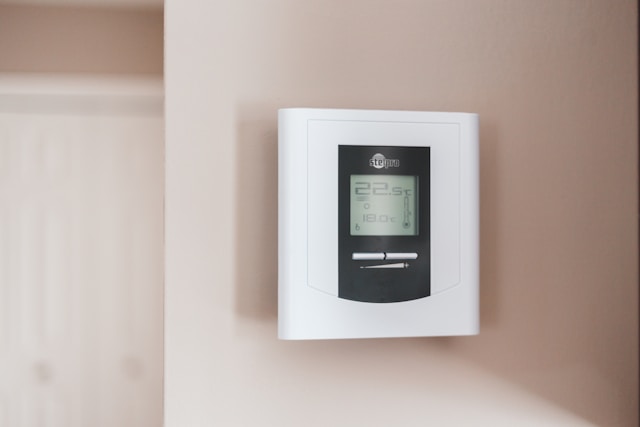
Programmable thermostats have become game-changers in home climate management. These devices empower homeowners to establish specific schedules for heating and cooling, thereby reducing unnecessary energy use when the home is unoccupied. Imagine being able to adjust your home’s temperature settings remotely before heading home from work or ensuring that your home is perfectly cozy upon waking up. Such capabilities enhance comfort and can lead to significant cost savings. As homes become more competent, programmable thermostats are a step toward a more managed and efficient living environment.
Tips for Reducing Energy Costs
Simple, proactive steps can lead to considerable energy savings without sacrificing comfort. Conducting an energy audit, for instance, can help detect leaks and inefficiencies that need addressing and enriching your home’s insulation. Adopting energy-efficient behaviors like turning off lights and appliances when not in use can lower energy bills.
Understanding HVAC Maintenance Needs
Regular HVAC maintenance is not only wise but essential for retaining the efficiency and longevity of your systems. Seasonal check-ups, timely filter changes, and system cleaning prevent potential breakdowns and ensure that each component operates optimally. Routine maintenance often involves inspections and minor adjustments that address issues early, preventing them from escalating into costly repairs. A well-maintained system operates more efficiently, providing better climate control and potentially lowering energy costs.
Addressing Common Heating and Cooling Problems
Many homeowners need help with heating and cooling systems due to uneven temperature distribution or unexpected noises. While some issues can be resolved through basic troubleshooting, others may require the expertise of a professional. Keeping a close eye on your system’s performance and seeking professional help when necessary will keep your home functioning comfortably and ensure that minor problems don’t become big.
Leveraging Government Incentives for Upgrades
The financial burden of upgrading to energy-efficient systems can be mitigated through various government incentives. These may include tax credits, rebates, or grants to encourage homeowners to adopt more sustainable practices. Knowing what’s available can significantly reduce the upfront costs of energy-efficient upgrades, making these improvements more accessible. Exploring government programs tailored to energy efficiency ensures that you maximize available benefits and align your home improvement projects with current energy standards.


 Danny Williams